Manoa
Jerusalem Civic Project
// Organizational Overview
Why We’re Here
On October 7th, when governmental systems stalled, we built a functioning civic machine overnight. The Jerusalem Civic Command Center didn’t mobilize sentiment; it mobilized logistics, trust, authority, and execution. Thousands were served, networks synchronized, decisions made fast and held accountable, and the system sustained itself long after the emergency phase.
Jerusalem generates vision, passion, and devotion in abundance. What determines whether initiatives endure is not inspiration, but whether leadership is committed to Jerusalem itself. Other promising initiatives proved the appetite for change, drew resources, and delivered early wins… only to collapse when their leaders abandoned the city.
We built Manoa differently. Our leadership, partners, and socialpreneurs are deeply invested in Jerusalem – professionally, personally, and politically. They were born here, raised here, and made a conscious decision to stay and build their lives here.
We organize that commitment into a disciplined civic framework that sustains leadership, coordinates action, and holds power over time – translating Jerusalem’s civic energy into durable, accountable impact.
Our Mission
We champion Jerusalem’s liberal and Zionist communities
residents committed to a modern city grounded in justice and equity.
Recognizing the essential role civic society plays in a thriving democracy,
we strengthen activists and social initiatives by building the civic capacity they need to lead, coordinate, and endure.
By empowering devoted Jerusalemites to claim civic space, we advance civil agency and community building.
We act swiftly in moments of urgency and invest in long-term organizing infrastructure to create lasting change.
Our work cultivates conscious citizenship while delivering essential services, shaping a more livable Jerusalem.
Our Development Story:
From Civic Energy to Civic Infrastructure
On the morning of October 7th, Israel’s government systems failed to respond at the scale and speed the moment required.
Sirens tore through Jerusalem. Phones filled with fragments of horror. Most of us did what visceral fear demands:
we pulled our children close, sealed safe-room doors, sent our partners into the unknown on emergency reserve call-ups,
and braced ourselves to hold our families together.
In those same moments, a small group of Jerusalem’s civic leaders made a radically different choice.
They didn’t shelter. They woke up to the same sirens and asked a single question of themselves and each other:
What must we do for Jerusalem, right now?
We took what was built under fire and gave it a permanent home –
not as a movement, but as sustainable infrastructure capable of shaping reality.
We are here because we have already proven we can do this…
and because Jerusalem cannot afford for that capacity to disappear.
Our Solution
We mobilize residents and socialpreneurs in moments of urgent need, then convert civic energy into lasting leadership capacity, shared infrastructure, and scalable programs.
This approach empowers liberal and Zionist communities to meaningfully shape everyday Jerusalem life and ensures the city remains modern, culturally rich and civically strong.
The Challenge
While many Jerusalemites are committed to building a pluralistic city, civic leadership capacity, infrastructure,
and leverage are underdeveloped within Jerusalem.
Therefore, civil society’s ability to consistently shape everyday life is limited.
Jerusalem’s established systems of power operate with structure and effectiveness, while existing civic systems – despite their critical role in a thriving democracy – lack the organizational strength to exert comparable influence.
Mobilize & Build Leadership
Commitment Without Capacity
Create Shared Civic Infrastructure
Limited Civic Influence
Scale Civic Programs
Uneven Power Systems
Empower Key Communities
Weak Civic Systems in a Democracy
Keep Jerusalem Strong
City at Risk
Why Now?
Urgency:
Jerusalem’s liberal, Zionist, productive communities are becoming a smaller share of the population, even as their contribution remains central to the city’s vitality. The window to translate commitment into durable, scalable influence beyond formal politics is now.
Transformation:
Jerusalem is undergoing a significant construction boom that will shape neighborhoods, culture, and Jerusalemite daily life for decades. These changes are not yet final. Civil leadership can still influence how the city grows.
Momentum:
Manoa emerged directly from one of the most effective civilian mobilizations of the Iron Swords war. The trust, networks, flexibility and operational capacity built in crisis created a rare opportunity to turn civic energy into lasting leadership and sustainable, scalable infrastructure.
Strategic Focus Areas
Emergency and Commemoration
Our work in this focus area grows directly out of the Jerusalem Civic Command Center. These programs address the enduring social, emotional, and communal impact of the war, particularly for serving families, wounded soldiers, and bereaved communities. By holding Jerusalem together in moments of fracture and loss, this work strengthens Jerusalem’s collective civic identity. That identity is rooted both in responsibility and in a shared commitment to remain here, rebuild, and shape life in the city under sustained strain.
Our work in this focus area grows directly out of the Jerusalem Civic Command Center. Programs within Emergency and Commemoration address the lasting social, emotional, and communal impact of the war. They focus specifically on serving families, wounded soldiers, and bereaved communities.
By holding Jerusalem together in moments of fracture and loss, this work strengthens the city’s collective Zionist civic identity. It is a cultivated and hard-earned identity rooted in responsibility, diversity, and mutual care. This critical communal identity reflects a commitment to remain in Jerusalem and shape our shared future.
2025 Emergency Response and Commemoration programs included:

Am K’Lavie
Adaptive civilian response expanding in crisis, contracting responsibly in recovery
2025 impact:
- Stabilized 1,500 evacuees
- Deployed 600 volunteers
- Reopened 146 public shelters
Created and sustained three educational and recreational centers within evacuee hotels

Moked Chemla
Continuous civic assistance resolving acute civilian needs outside emergency response
2025 impact:
- Starting in Q3, received and resolved approximately 50 new civilian cases weekly (ongoing)

Rikmat Chaim (Life Fabric)
Public commemorative art transforms lived lives into shared civic remembrance
2025 impact:
- Accompanied 32 bereaved families through commemoration
- Trained 30 artists as memory designers working in civic space
- Created 32 public works of memory embedded in Jerusalem’s cultural life
- Hosted 2 major public exhibitions (2024–2025)
Engaged 4,500+ Jerusalemites in collective remembrance
Pipeline programs for 2026:
The 132 Commemoration
A living memorial embedding Jerusalem’s fallen into the city’s landscape
Reservist Couples’ Retreat - "Re-Routing: Serving with Control"
Fortifies serving families with practical strategies for communication, finances, and parenting, promoting adaptation while preserving stability amid extended deployments.
Rise and Walk
Reintegrates wounded Jerusalem soldiers into civic life
Strategically Shape Jerusalem’s Future
Jerusalem’s future is shaped not only by policy, but by who steps forward to claim space, set norms, and build civic infrastructure.
We identify the strategic pressure points that will determine how the city looks, moves, and lives in the decades ahead… and mobilize civil leadership accordingly. As Jerusalem undergoes a historic construction boom and renegotiates public space and cultural life, we take responsibility for advancing inclusive access, consistent cultural infrastructure, and mobility that reflects the needs of the city’s residents.
Pipeline programs for 2026:
Commissioner for Future Jerusalem
Represents Jerusalem’s liberal communities in national policy and decision-makingRepresents Jerusalem’s liberal communities in national policy and decision-making
The Network for Power That Serves
Trains civic leaders to wield power ethically, skillfully, and accountably
Parent Leadership for Civic Education
Strengthens school-based parental leadership to establish liberal civic communities and advance shared values in education
Develop Civic Socialpreneurs
Jerusalem is full of initiatives with the potential to reshape how the city works. What these socialpreneurs often lack is not vision or commitment, but the operational backbone to execute, scale, and endure.
We provide the funding, structure, access, and strategic organization that positions local initiatives to grow into sustained civic impact. By absorbing the organizational weight that often collapses fledgling efforts, we enable local leaders to build durable programs that strengthen Jerusalem’s civic fabric.
Mitriya
Mitriya sustains Jerusalem’s nightlife by enabling producers and cultural spaces
2025 impact:
- Produced 34 nightlife and cultural events
- Engaged 5,000+ participants in shared public culture
- Reached 600,000 Jerusalemites for peak events
- Earned 250,000 views quarterly
Sot Al-Hara:
The Voice of the Neighborhoo
Sot Al-Hara rebuilds trust through Arabic-led municipal advocacy in East Jerusalem
2025 impact:
- Maintained a standing civic advocacy presence in 3 East Jerusalem neighborhoods (Beit Hanina, Tzur Baher, Beit Safafa)
- Resolved 30 resident cases through direct municipal advocacy, Q4
- Led Arabic-first civic mediation through trilingual leadership (Arabic, Hebrew, English)
- Activated and sustained HOW MANY NEED A NUMBER of networks or volunteers neighborhood-based volunteer networks supporting ongoing casework
Leadership
Noa Shalom,
Founder and Chair
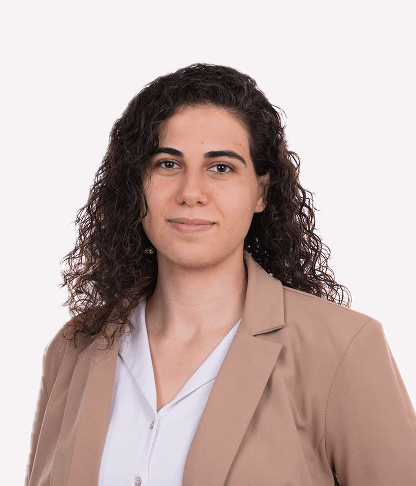
Noa Shalom, Founder and Chair, is a Jerusalem-rooted architect of civic possibility, guided by an unshakable belief that the city’s fate determines the country’s future. Raised amid constant social change, she chose public action early. Her path through military service, parliamentary work, and municipal leadership forged a rare ability to navigate difference without retreat. Noa helped ignite the Jerusalem Civic Command Center, one of Jerusalem’s most powerful civilian responses in crisis, then transformed that force into the long-term vision of Manoa: a flexible civic backbone capable of making the seemingly impossible achievable… and of drawing people back to a city worth choosing.
Emuna Klein Barnoy,
CEO
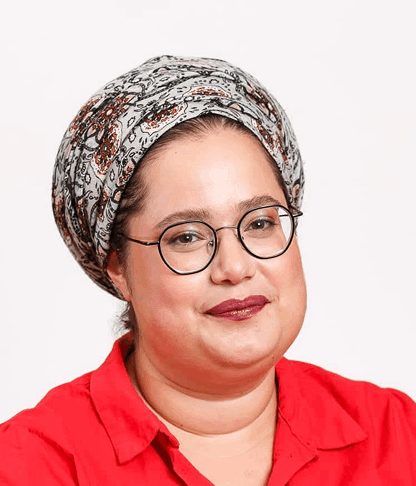
Emuna Klein Barnoy, CEO, brings a fierce commitment to translating civic values into lived reality. Her leadership grows out of years of confronting exclusion, challenging silence, and insisting that responsibility belongs in public space. Shaped by advocacy, movement-building, and organizational stewardship, she focuses on turning moments of mobilization into durable frameworks that hold leaders to ethical standards. Emuna is driven by the belief that Jerusalem’s future depends on practiced pluralism and on civic courage that empowers every resident to stand fully present and shape the city they share.
Transparency and Accountability
We believe that values are only meaningful when they are reflected in practice. For Manoa, this means designing our organization so that power, authority, and responsibility are visible, constrained, and accountable.
This approach is embedded in our operations through formal governance and financial policies that define how resources are allocated, approved, monitored, and reported. These include publicly available Funding and Support and Financial Authorization and Expenditure policies. Our financial reporting and organizational filings are disclosed through our Guidestar profile, and we publish comprehensive annual financial reporting in our Annual Report.
We conduct an in-depth evaluation of our funding impact at least once every three years to reinforce transparency and accountability. Our next Impact Report is scheduled for August 2027. Partners are welcome at any time to review our policies and reports in full and to engage directly with us for further discussion or thorough examination.
Contact
Hilary Faverman, Resource Development
hilary@manoa.org.il +972 54-654-6580
Emuna Klein Barnoy, CEO
ceo@manoa.org.il +972 54-756-6032

